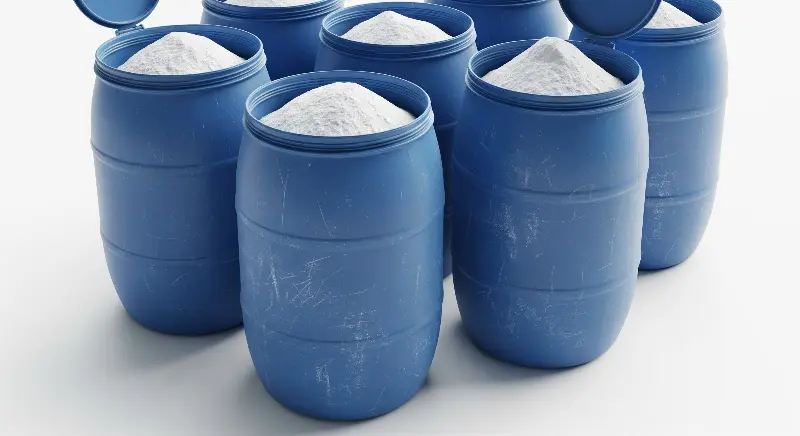
Class 5.1: Oxidising Agents (Oxidizers) Hazardous Substances

Dangerous Goods
Substances that release oxygen and intensify the combustion of other materials.

General Information:

Class 5.1 Oxidising Agents are chemicals that don't necessarily burn by themselves, but they are dangerous because they release concentrated oxygen during a reaction or when heated. They feed oxygen to a fire and can cause normally stable materials to ignite spontaneously or turn a small, manageable fire into an intense, rapidly spreading inferno. Because they provide their own oxygen, you can't put out an oxidiser fire by "smoothering it with a blanket or CO2, you usually have to use large amounts of water to cool it down.

Main Hazards:

  • May cause a fire when in contact with combustible materials.
  • May increase intensity of combustion.
  • Contact may cause burns to the skin and eyes.

Examples:

  • Ammonium Nitrate - Widely used in fertilisers to help crops grow but due to being packed with oxygen-rich nitrogen, they can become explosive if they get too hot or are mixed with fuel.
  • Hydrogen Peroxide (High Strength) - Is an "Oxygen-heavy" substance that is used as a high-powered bleaching and cleaning agent. Industries use Hydrogen Peroxide to whiten paper and textiles, sanitise food packaging and treat wastewater to remove pollutants.
  • Calcium Hypochlorite - The dry, solid form of chlorine which is more commonly sold as "Pool Shock" or Chlorine Granules. It's a strong oxidising agent that won't catch fire on its own but does contain a massive amount of "internal" oxygen that can be released instantly if it gets contaminated or hot. This oxygen can fuel any nearby fire, increasing its intensity.

Next Steps

Review our courses: Forklift, Wheels Tracks & Rollers, Elevated Work Platforms, Dangerous Goods.

Booking links are inside each course or click the "Book Training" button below to view all courses: