
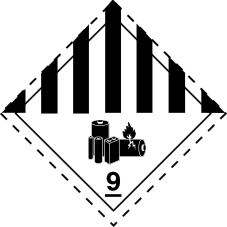
Class 9: Miscellaneous Dangerous Substances

Dangerous Goods
Substances that present transport hazards not covered by other dangerous goods classes.

General Information:

Class 9 (Miscellaneous Dangerous Goods) is the "catch-all" category of dangerous goods that contain substances that are hazardous but don't fit into the other eight specific classes. Class 9 materials might not explode or burn instantly, but they still pose unique risks to people, property or the environment during transport. Due to this class being so broad, the hazards vary significantly depending on the specific item.

Main Hazards:

  • May be environmentally hazardous.
  • May pose substance or article-specific risks.

Examples:

  • Lithium-Ion Batteries - These are the rechargeable power source for mobile phones, laptops, electric vehicles and some models electric forklifts (different to traditional lead-acid battery forklifts). If they are damaged, short-circuited or get too hot, they can enter "thermal runaway", which is a state where they catch fire and release their own oxygen which further feeds the fire. This makes the flames almost impossible to put out with a standard fire extinguisher. The only way to stop a lithium battery fire is to cool it down faster than it can heat itself up, requiring thousands of litres of water to cool the metal casing.
  • Diesel (Standard) - Unlike petrol, standard diesel has a higher "flash point", meaning it doesn't catch fire easily at room temperature. It's biggest danger isn't an expolsion, but its environmentally hazardous nature. Because it is oily and doesn't evaporate, a single spill can coat riverbeds and be lethal to fish and plants. It must be accompanied by the "Dead Tree and Fish" warning mark to alert emergency services to protect the local environment.

Next Steps

Review our courses: Forklift, Wheels Tracks & Rollers, Elevated Work Platforms, Dangerous Goods.

Booking links are inside each course or click the "Book Training" button below to view all courses: