Preventable Workplace Accidents: Lessons Every Industry Can Apply
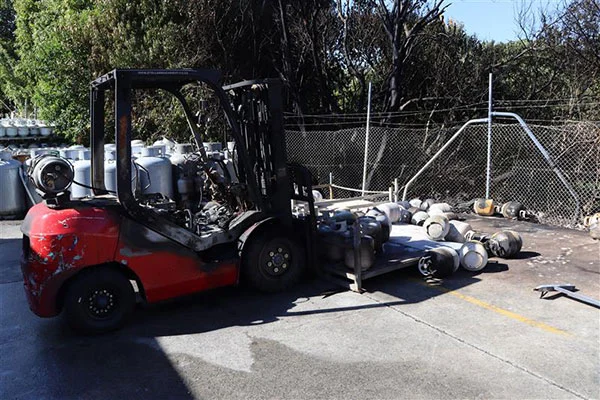
A recent court verdict relating to an incident in Papatoetoe, Auckland in 2024 serves as a powerful reminder that workplace safety doesn't have to be complicated, but it must be followed.
A forklift driver suffered serious burns when LPG gas ignited during cylinder degassing operations. The hazard was described in court as "clear and obvious." Most importantly, this incident could have been prevented at no cost. Simply by keeping the forklift and gas degassing operations separate.
While this incident occured in a specific context, the lessons apply to all industires and workplaces. Serious accidents often happen when simple safety rules are overlooked. And what are us Kiwis well known for? The "She'll be right" attitude, and unfortunately, that mindset doesn't mix well with safety.
Turning Lessons Into Action
This incident wasn't about missing paperwork or complex systems. It was about basic controls, awareness, and discipline. Every workplace, whether a warehouse, construction site or office with hazardous equipment can benefit from learning these lessons:
- Identify hazards properly - Don't assume "it's obvious" to everyone. Take time to assess risks in every task.
- Separate incompatible tasks - Some jobs shouldn't happen at the same time. Plan your workflow to reduce danger.
- Follow procedures consistently - A procedure only works if it's applied every time.
- Train operators to apply thier knowledge safely in real-world environments - At ASWEFA, we emphasise that knowing the rules is only one part of safety, the other part comes from implementing knowledge correctly on the job.
By embedding these principles into everyday practice, workplaces create a culture where safety is a habit, not just a checkbox.
Why Practical Training Matters
High-risk tasks, whether operating forklifts, handling hazardous substances or managing work at heights, carry serious potential hazards. Proper training ensures teams understand:
- How to recognise hazards before they escalate
- The difference between eliminating a risk and minimising a risk
- When to stop work and escalate concerns
- How to implement knowledge safely in real-world situations
At ASWEFA, we focus on practical hands-on training across forklifts, WTR, MEWP and dangerous goods endorsements. Our goal is to help business turn compliance into real protection for their people, ensuring that every worker can go home safely at the end of the day.
Because in most serious incidents, the fix isn't complicated. It's about doing the simple things properly, every time.
ASWEFA shows your team how to put safety knowledge into practice, helping prevent accidents before they happen.