Excavator Safety: Control, Awareness, and Avoiding Complacency on Site
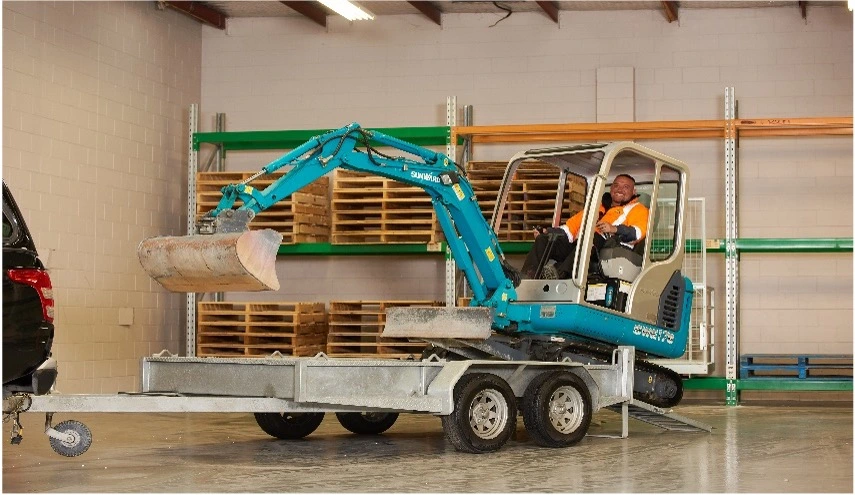
Operating an excavator isn't just about moving dirt.
It's about control.
It's about awareness.
And it's about not getting complacent.
At ASWEFA, we see it all the time. People who can operate the machine, but haven't been shown what to look for around them. That's where the real risk sits.
Control Comes First
Anyone can learn the controls of an excavator.
But real control is about more than moving the levers.
It's about:
- Smooth, deliberate movements
- Knowing the limits of the machine
- Keeping loads stable
- Position the machine properly before starting
- Knowing when to pick up heaped scoops vs leveling your material in the bucket
When control slips, mistakes happen. And with an excavator, those mistakes can be serious.
Stay Aware of What's Around You
A good operator isn't just focused on the task in front of them.
They're constantly scanning their surroundings.
That includes:
- Other workers nearby
- Machinery operating in the same space
- Blind spots
- Changing site conditions
It only takes a moment of distraction for something to be missed. Good operators stay switched on the whole time.
Understand the Ground you're Working On
Ground conditions play a big part in excavator safety.
Before you start, and while you're working, you should be thinking about:
- Soft or unstable ground
- Drop-offs and edges
- Overhangs and unsupported areas
- How the machine's weight is sitting
Getting this wrong can lead to loss of control or even rollovers. Taking a moment to assess the ground properly can prevent that.
Don't Forget What's Below
Underground services might not always be visible, but they're always a risk.
Striking power, water or gas lines can:
- Stop a job immediately
- Cause serious damage
- Put people at risk
It's so important to check before you dig and to also check WHILST you dig. Some services might be unmarked, might be shallower than stated or completely in the wrong place. If you're unsure, dig by hand until you are.
It's a small step that makes a big difference.
Complacency Is the Real Risk
Most incidents don't happen because someone doesn't know how to operate the machine.
They happen because:
- The job feels routine
- Corners get cut
- Checks get skipped
- Focus drops
That's complacency, and it's one of the biggest risks on any site.
Good operators treat every job like it matters, no matter how many times they've done it before.
It Comes Back to Training and Attitude
At the end of the day, excavtor safety comes down to two things, training and attitude.
Training gives you the skills, awareness and understanding to operate the machine properly. It should be ongoing and in different environments and situations to build confidence and competence.
But attitude is what makes the difference day to day.
Taking the time to check your surroundings.
Not rushing the job.
Staying switched on, even when it feels routine.
That's what prevents mistakes.
If you're looking to build that foundation, excavator trianing sits under our Wheels, Tracks and Rollers (WTR) courses.
Final Thought
Excavators are powerful machines.
But safety doesn't come from the machine, it comes from the person operating it.
Stay in control.
Stay aware.
Bring the right attitude to every job.
That's what keeps the job moving and everyone going home safe.