When the Job Changes, the Risk Changes: Lessons from a Fatal Crush Case
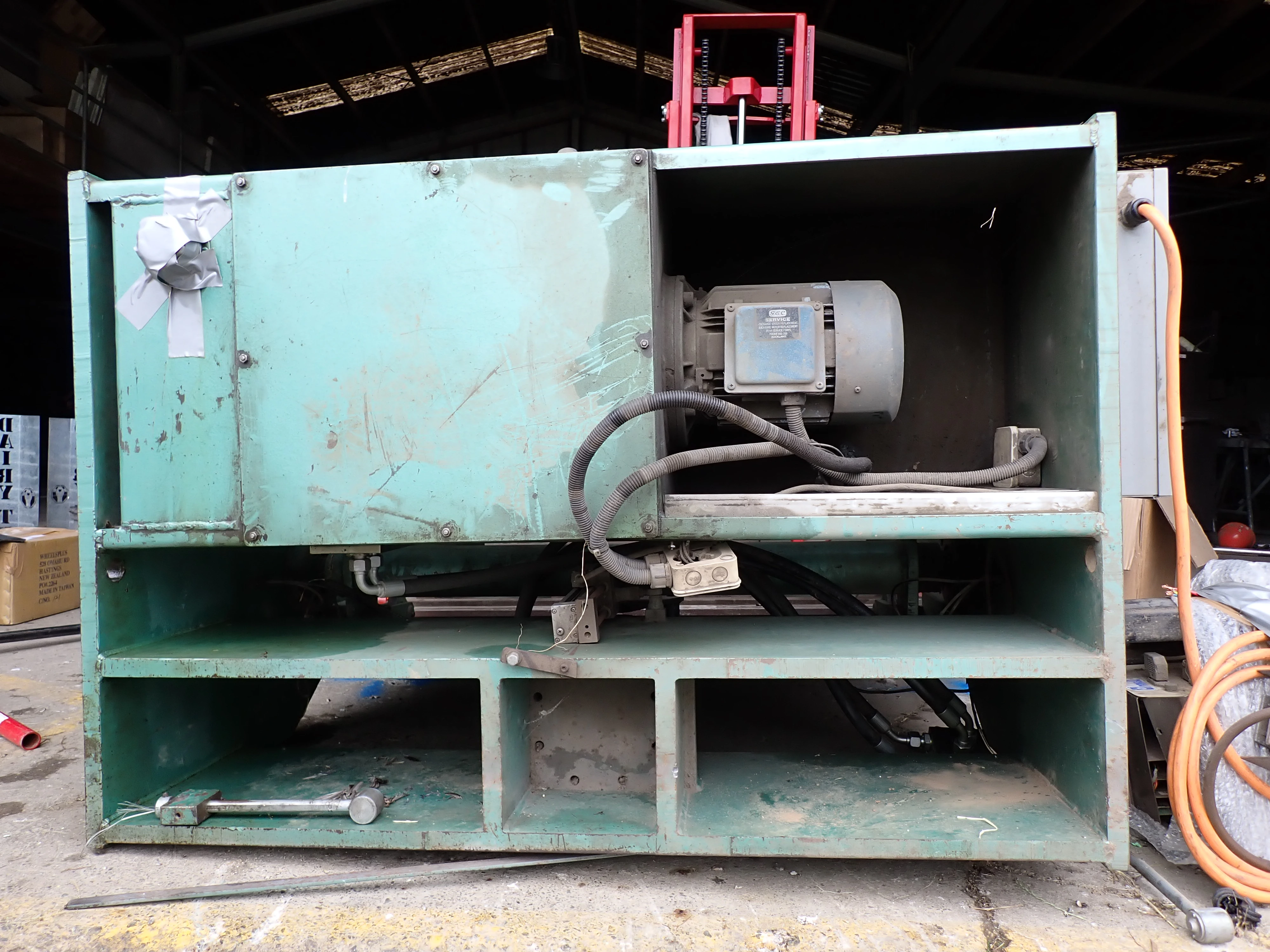
A recent WorkSafe New Zealand case is a heartbreaking reminder that even experienced workers are not always safe without proper planning.
The incident involved moving a 1.84-tonne press brake into a workshop. When the original plan changed and the forklift could no longer be used, an alternative method was improvised using moving skates, a stacker and a farm jack. During the move, one of the skates got caught in a crack in the concrete floor, cause the machine to become unstable and fatally crush a worker.
It's a tragic reminder of something we reinforce at ASWEFA:
Make sure your actions or inactions, don't cause harm to yourself or anyone else. Don't just do something, take a moment to think about how to do it safely so everyone goes home.
Non-Routine Work Often Carries the Highest Risk
Day-to-day tasks can become familiar.
People know the flow.
They know the equipment.
They know the environment.
But it's the jobs outside the routine that often present the greatest risk.
Moving heavy plant, repositioning machinery, one-off lifts or impromptu tasks can quickly create hazards that aren't part of normal operations.
These jobs require more than experience.
They require JSA's, SWMS or RAMS. They require a plan.
Experience Should Support Planning, Not Replace It
One of the most important lessons from this case is that experience alone is not enough.
Experienced workers are often trusted to "figure it out". Or how many times have you heard "She'll be right" before doing a task?
And while practical knowledge is incredibly valuable, it should support planning, not replace it.
Before any non-routine work involving heavy machinery, key questions should be asked:
- - What is the exact load weight?
- - Is the equipment fit for purpose?
- - What is the condition of the ground, floor and environment?
- - Are there edges, soft spots, or drop-offs?
- - Where are the crush zones?
- - Who needs to be clear of the area?
- - If something is to go wrong, what will that be?
This is where incidents are prevented. By identifying hazards and putting controls in place.
Stop When the Plan Changes
One of the biggest lessons here is knowing when to stop. If the original method can't be used safely, that should be the trigger to reassess the job. Not adapt on the fly. Not "make do".
Stop.
Reassess the environment. Review the equipment. Put controls in place. Too often, pressure to get the job doen overrides the pause that could prevent a serious incident.
Keep People Clear of Crush Zones
Crush zones are one of the most serious risks when moving heavy machinery. Loads can shift unexpectedly. Equipment can become unstable. Surfaces can fail. People should always be kept clear of any area where the load could move, tip or fall. At ASWEFA, this is something we strongly reinforce across our training. Exclusion zones.
Awareness of where the danger zone is, and keeping people out of it. Exclusion zones saves lives.
The Real Lesson for Every Workplace
This case is relevant far beyond engineering and manufacturing.
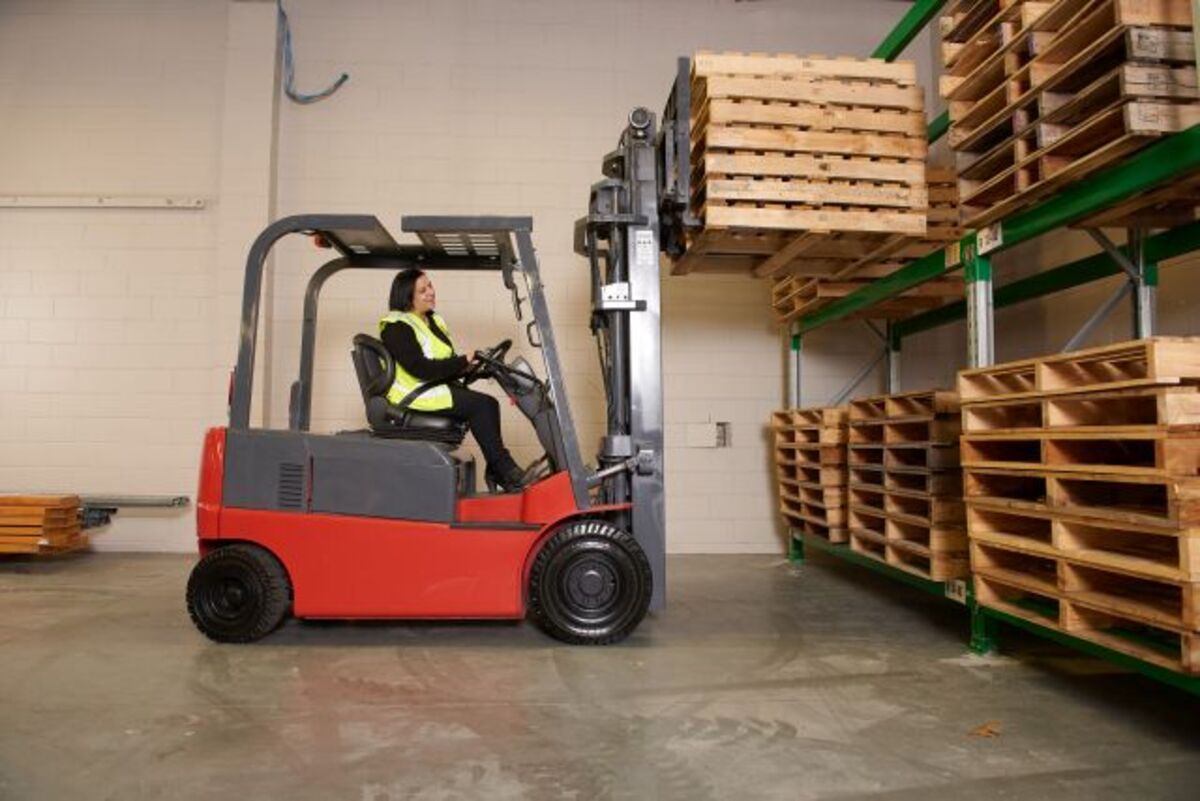
Whether it's forklifts, excavators, MEWPs or moving plant, the principle is the same:
Safe work starts before the machine moves.
It starts with planning, communication and the attitude to stop when something doesn't feel right.
Because no amount of experience replaces taking the time to do it properly.
Frequently Asked Questions About Non-Routine Work Safety
What is non-routine work?
Non-routine work is any task performed infrequently, unexpectedly, or outside an employee's regular work duties that often carry higher risk than daily operations. This includes one-off lifts, moving heavy machinery, maintenance, plant repositioning or any job without a standard procedure.
Why is non-routine work considered high risk?
Non-routine work is high risk because it often involves unfamiliar methods, changed site conditions, or equipment that may not be fit for purpose. Without proper planning, the risk of injury or fatality increases significantly.
What is a crush zone?
A crush zone is any area where a person could be trapped, pinned or struck by moving or unstable machinery, loads or equipment.
What should be checked before moving heavy machinery?
Before moving heavy machinery, businesses should check:
- - the exact load weight
- - equipment load limits
- - floor or ground condition
- - cracks, soft ground, edges or drop-offs
- - clear exclusion zones for workers
- - a task specific risk assessment
Why is planning important for heavy machinery moves?
Planning helps identify hazards before work starts, ensures the right equipment is used, and reduces the risk of loads becoming unstable or creating crush hazards.
Final Thought
Every move. Every lift. Every non-routine task. Treat is with the respect it deserves.
Because at the end of the day, the goal isn't just to complete the job. It's to make sure everyone goes home safe.
Read more about this case using the link below: