Safe Digging Starts Before the Excavator Moves
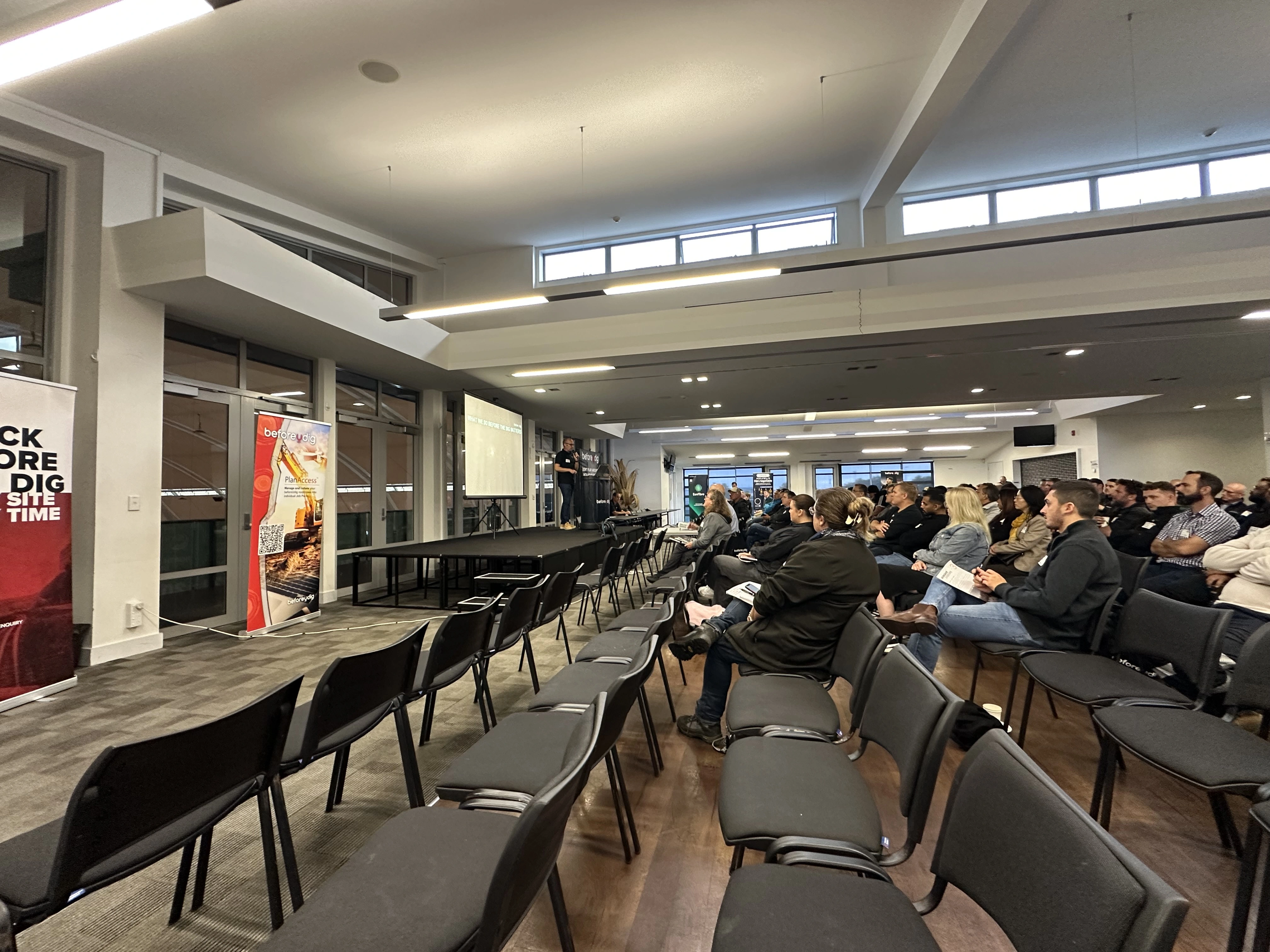
This week I attended the Auckland Safe Digging Workshop hosted by BeforeUDig NZ alongside contractors, operators, safety professionals, utility owners, and people from across the civil and infrastructure industries.
The event created a great opportunity for people across the industry to come together, share experiences, discuss risks, and have important conversations around safe excavation and underground services.
Because when it comes to digging and excavation work, some of the biggest hazards are the ones you can't see.
The Risk Below the Surface
Every year, underground services are struck across New Zealand.
- Power
- Gas
- Water
- Fibre
Sometimes it causes delays and expensive damage.
Other times, it causes serious injury or death.
One of the biggest takeaways from the workshop was how often incidents come back to the same things:
- Assumptions
- Complacency
- Rushing
- Poor Planning
- Lack of communication
It reinforced something we talk about often at ASWEFA:
Just because you can't see the hazard doesn't mean it isn't there.
The 5 P's of Safe Digging
A major focus of the workshop was the 5 P's of safe excavation, which provide a practical framework for reducing risk around underground services.
Planning
- Get plans and scope out the dig site before work begins.
Perparing
- Get a utility locate completed, then a mark out and map of what's underground.
Potholing
- Confirm the asset location before the excavator arrives.
Protecting
- Treat what's below the surface like it matters, because it does.
Proceeding
- Use the correct tools, dig carefully, and continue with awareness and care.
The overall message was simple:
Good excavation safety starts long before the bucket goes into the ground.
The Value of Industry Conversations
One of the best parts of the workship was hearing different perspectives from across the industry.
Operators, businesses, utility owners, and safety professionals all face different challenges on site, but the overall goal is the same:
Make sure everyone goes home safe.
Events like this are valuable because they create opportunities to learn from real experiences, discuss incidents openly, and improve awareness around excavation safety.
Complacency Is One of the Biggest Risks
One thing that stood out throughout the workshop was how easily complacency can creep in.
Especially when:
- The task feels routing
- You've worked on similar sites before (or the same site before)
- Deadlines create pressure
- Nothing had gone wrong previously
Excavation around underground services is one of those jobs where being "pretty sure" isn't enough.
You need to know.
Final Thought
A big thank you to BeforeUDig NZ for hosting an event that brings the industry together to have these conversations.
At ASWEFA, we always reinforce that safe machinery operation starts with awareness, communication, planning, and attitude.
Safe digging starts long before the excavator moves. Because one strike can change everything.
Frequently Asked Questions About Safe Digging (FAQs)
Why is safe digging important?
Safe digging helps prevent damage to underground utilities such as gas, power, water, and fibre services, reducing the risk of injury, outages, costly repairs, and fatalities.
What are the 5 P's of safe digging?
The 5 P's are:
- Planning
- Preparing
- Potholing
- Protecting
- Proceeding
These steps help reduce the risk of striking underground services during excavation work.
Why do underground service strikes happen?
Most underground service strikes happen because of poor planning, assumptions, rushing, lack of communication, or failing to locate services before excavation begins.
What should be checked before excavating?
Before digging, workers should check:
- Underground service plans
- Site conditions
- Exclusion zones
- Excavation permits
- Ground stability
- Nearby workers and machinery
What is one of the biggest risks during excavation work?
Complacency is one of the biggest risks during excavation work. Routine tasks can lead people to skip checks or make assumptions about what is underground.